
Sudden illness or injury can create stressful moments for families, especially when a baby, child, or teenager needs immediate attention. Dedicated emergency support provides a focused approach designed around the unique needs of younger patients. Pediatric-ready emergency care can include child-sized equipment, trained personnel, careful medication dosing, and family-centered communication.
Specialized Support For Every Age
Infants, children, and teens experience health concerns differently, making age-appropriate emergency attention valuable.
- Infants can receive careful assessment for sudden changes in feeding, breathing, alertness, or temperature.
- Young children can benefit from reassuring communication during examinations and treatments.
- School-age children can receive attentive support for injuries, infections, breathing concerns, and other urgent problems.
- Teens can receive respectful emergency attention that recognizes their physical and emotional needs.
- Weight-based approaches can support safer medication decisions for growing children.
Ready For Unexpected Medical Needs
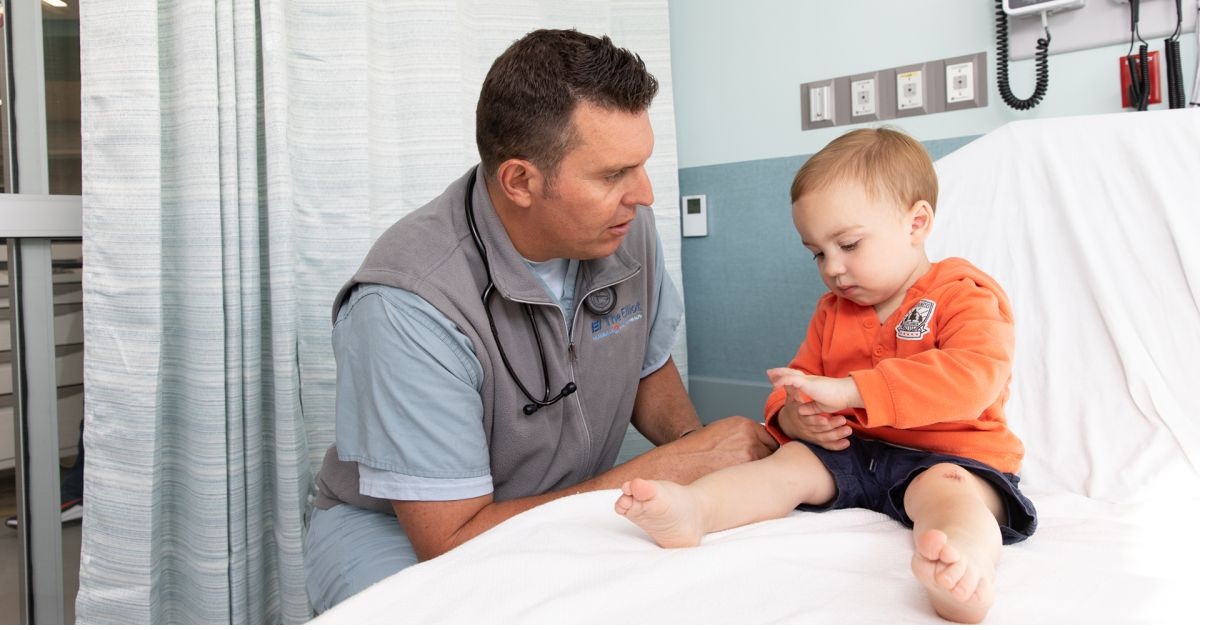
Emergency situations can involve many different symptoms and injuries. Pediatric emergency teams are trained to evaluate a broad range of urgent concerns, including breathing difficulties, severe allergic reactions, seizures, dehydration, significant injuries, burns, and complications from existing conditions.
Helpful elements of dedicated emergency support include:
- Rapid assessment of changing symptoms
- Pediatric-focused vital-sign monitoring
- Appropriate equipment for different age groups
- Careful evaluation of injuries
- Support for breathing-related emergencies
- Prompt attention to severe pain or dehydration
- Appropriate assessment of allergic reactions
- Coordinated care when additional expertise is needed
Comfort And Family Communication
Children can feel frightened when surrounded by unfamiliar medical equipment or procedures. Calm explanations and supportive communication can help create a more reassuring experience. Family-centered care also encourages parents and caregivers to participate in decisions and provide important information about the child’s health history.
Families can help emergency teams by keeping useful information available, such as:
- Current medications and recent doses
- Known allergies
- Relevant medical history
- Existing health conditions
- Recent symptoms and changes
- Important details about how an injury occurred
Preparedness Builds Confidence
Knowing what to do during an emergency can help families respond more effectively. Pediatric emergency guidance emphasizes recognizing serious warning signs and seeking immediate assistance when a child has severe breathing difficulty, loses consciousness, experiences a seizure, suffers a serious injury, or develops another potentially life-threatening condition.
A reliable emergency care resource can also help families understand what to expect, especially when information about pediatric emergency services is available through https://www.lonestar24hrer.com/pediatric-er/ and can be reviewed ahead of an unexpected situation.
Supportive Care From Arrival To Recovery
Dedicated pediatric emergency support extends beyond the first assessment. Clear explanations, thoughtful monitoring, appropriate treatment, and coordinated follow-up can help children and families move through urgent situations with greater confidence.
- Attentive evaluation supports timely decision-making.
- Age-appropriate communication encourages cooperation.
- Family involvement strengthens communication.
- Careful monitoring helps identify changing needs.
- Coordinated follow-up supports continued recovery.
With specialized preparation, compassionate communication, and pediatric-focused resources, emergency care can provide meaningful support for infants, children, and teens when unexpected medical concerns arise.